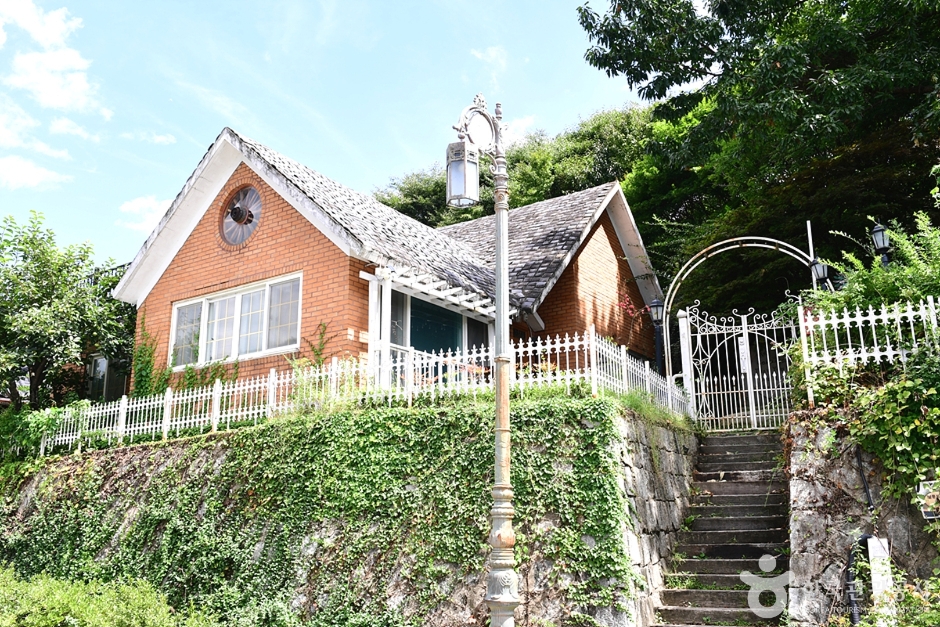
Maison 2521, prononcée « i-o-i-il » (이오이일)
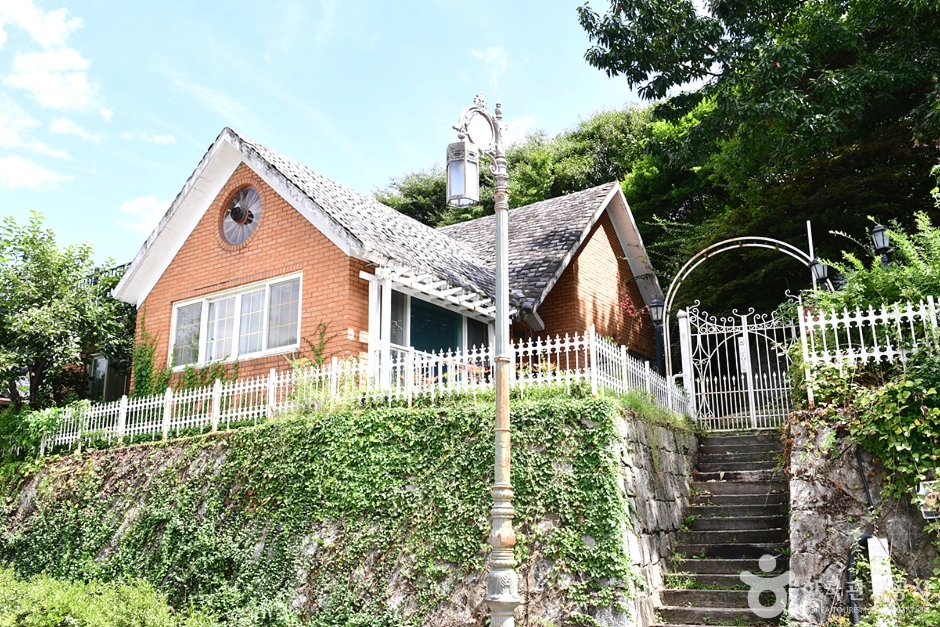 – Site
https://cafe.naver.com/onesyouth2521
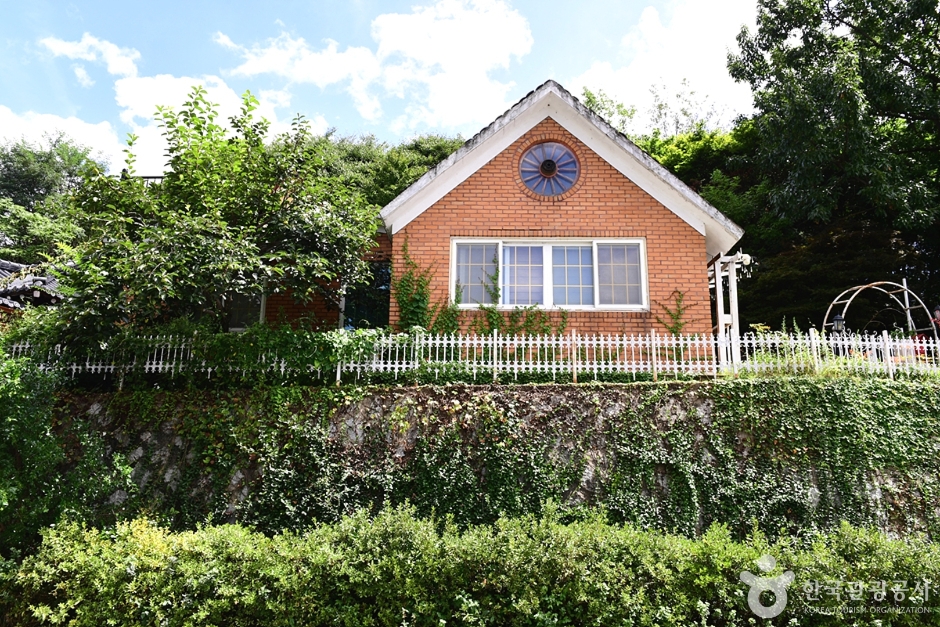
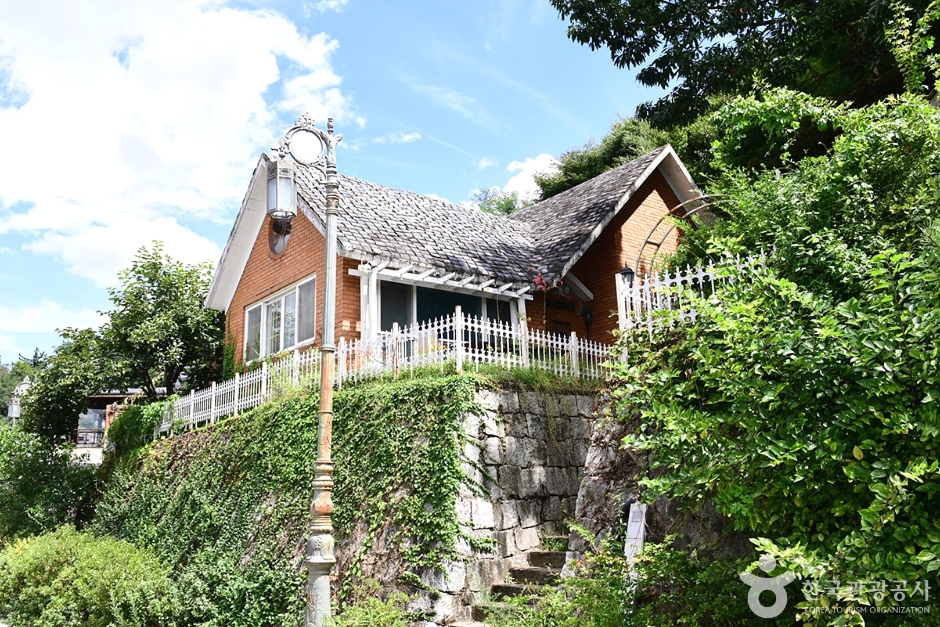
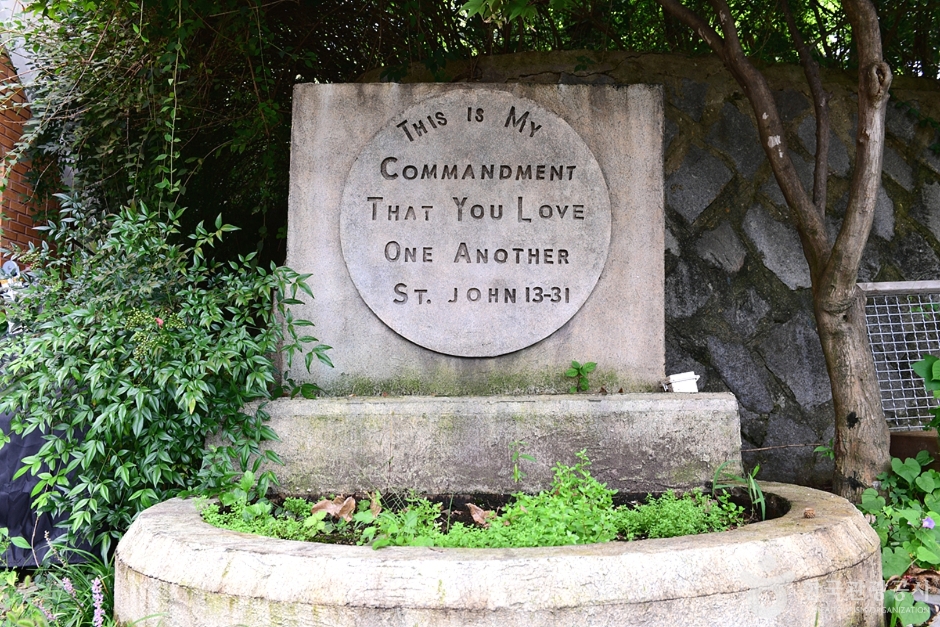
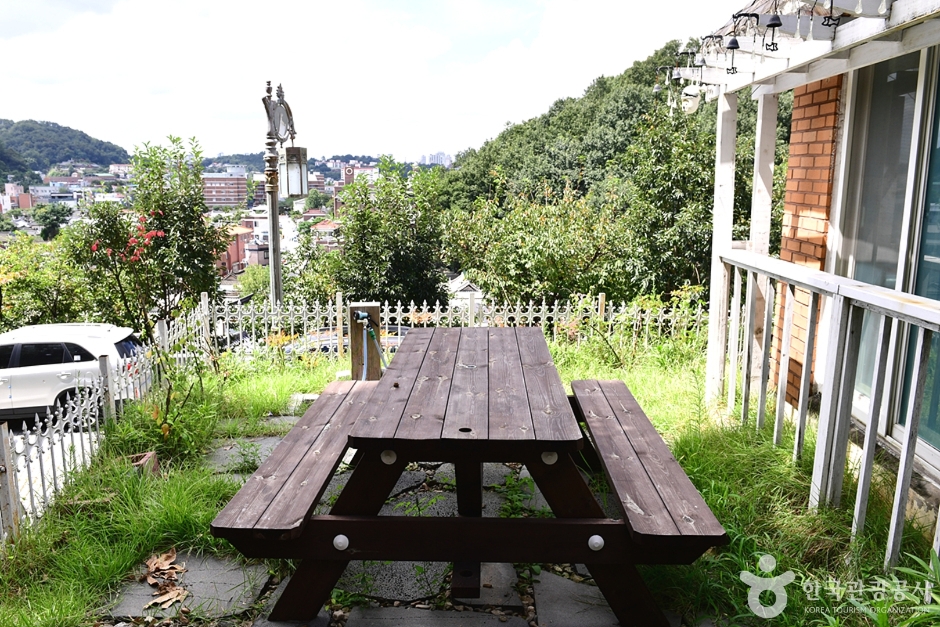
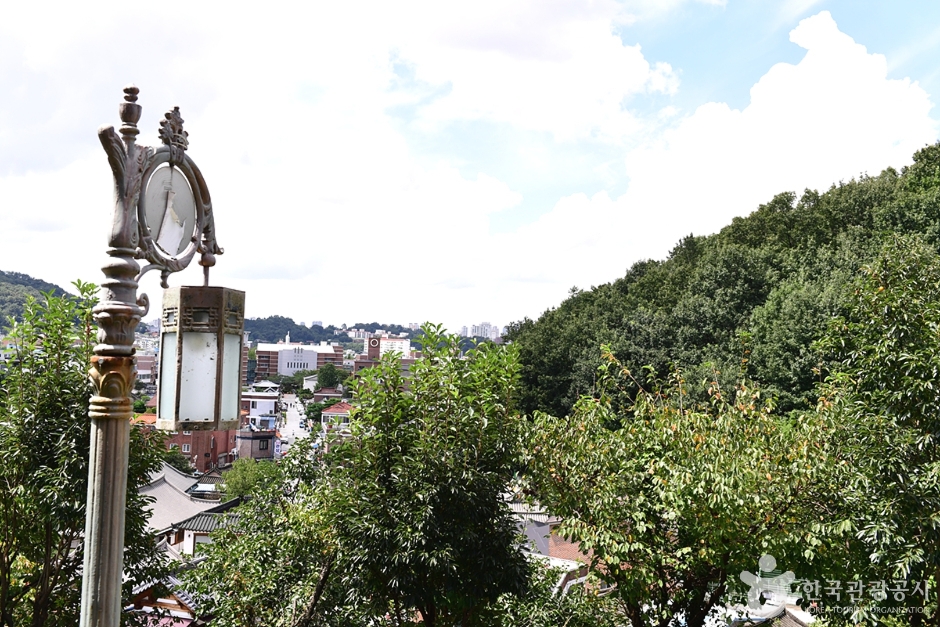
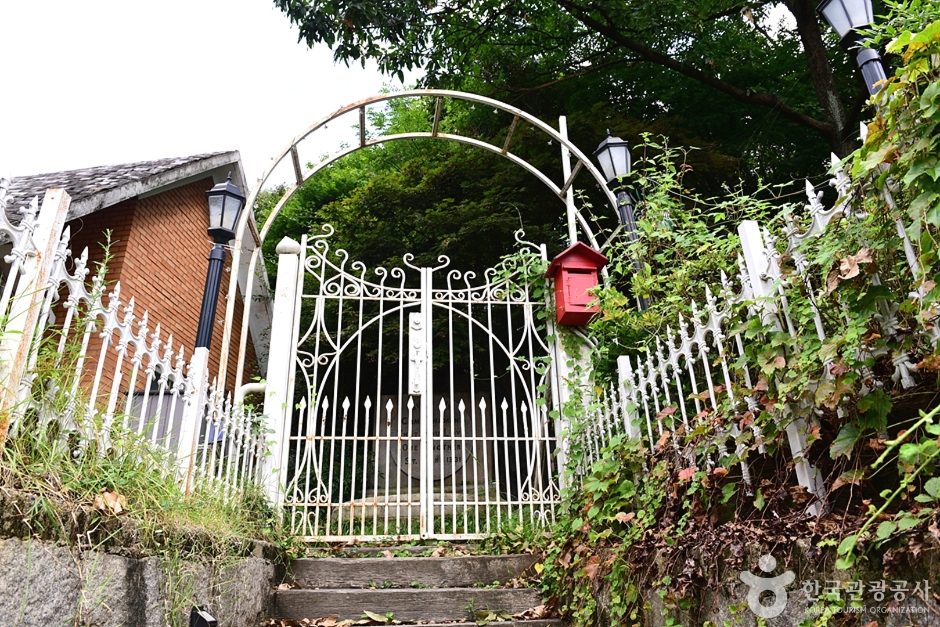
2521 est un hébergement indépendant situé au cœur du village hanok de Jeonju. Il s’agit également de la maison du personnage principal Na Hee-do dans le drama Vingt-cinq, vingt-et-un. Lors de la réservation, le propriétaire peut installer des accessoires identiques à ceux utilisés dans la série.
Les clients peuvent profiter d’un barbecue dans la cour et admirer la vue panoramique du village hanok depuis la terrasse sur le toit. L’hébergement peut accueillir jusqu’à huit personnes.
– Adresse : 5-19, rue Omokdae, Wansan-gu, Jeonju, province autonome spéciale de Jeonbuk (Gyodong)
※ Informations de présentation
– Heure d’arrivée
15:00
– Heure de départ
12:00
– Possibilité de cuisiner
Disponible
– Restauration
Disponible
– Frais de parking
disponible (sur demande préalable)
– Nombre de chambres
8
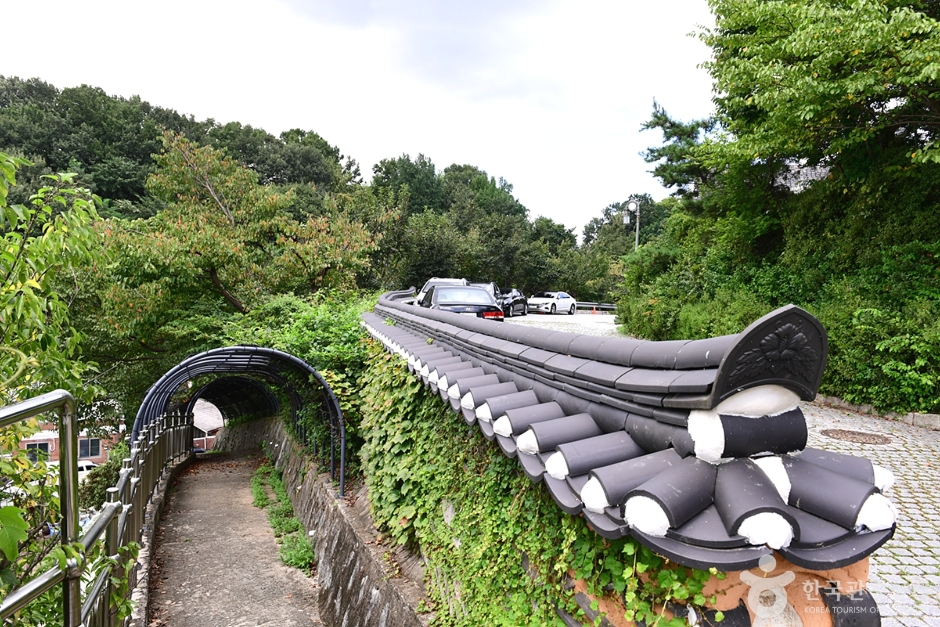
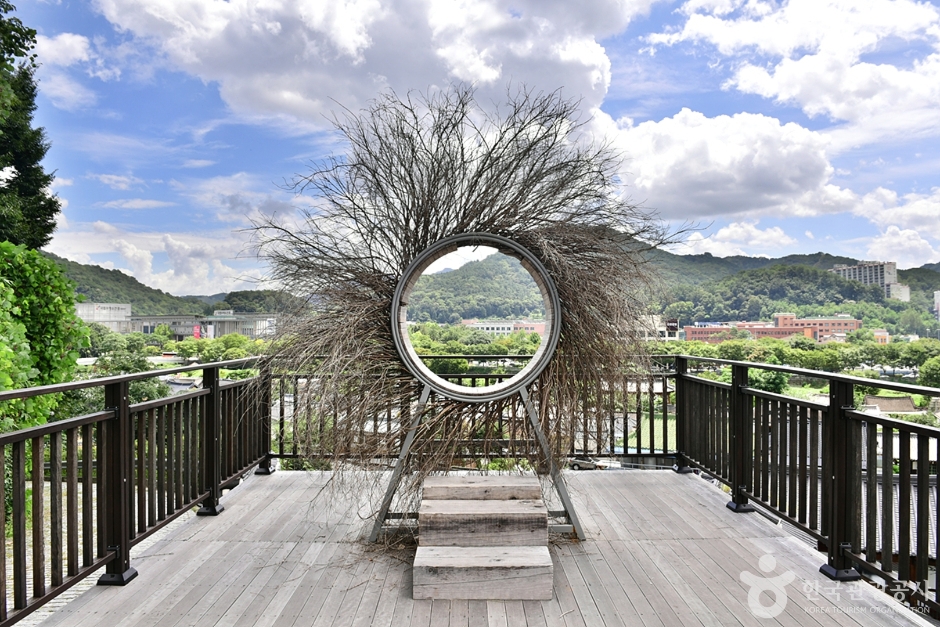
◎ Infobox Tourisme dans les environs
⊙ Omokdae et Imokdae (오목대와 이목대)
Consultez le guide détaillé sur Korea Trip Guide →
– Site
tour.jeonju.go.kr
www.cha.go.kr
– Tél
+82-63-281-2114
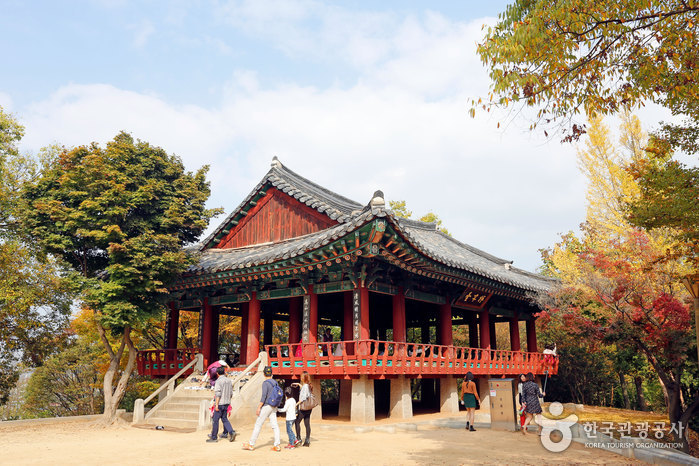
Omokdae, situé en haut d’une colline est le lieu où Yi Seong-gye (qui devint plus tard le Roi Taejo) s’arreta pour célébrer sa victoire lors d’une bataille contre l’armée japonaise au Mont Hwangsan à Unbong vers la fin de la période Goryeo. C’est aussi là où Mokjo, l’un des ancêtres de Yi Seong-gye, vécut. Plus tard, le Roi Gojong y établit une statue monumentale, “Taejogohwang Jejupilyujibi” avec une phrase écrite de sa propre main. De l’autre côté de Yukgyo, à partir d’Omokdae, se trouve Yimokdae, au pied du Mont Seungamsan où Chimyeongjasan, sité sacré pour les catholiques demeure. A 80 m de Yimokdae se trouvent un mémorial et une maison. “Mokjodaewang Gugeoyuji”, la phrase gravée sur le monument en pierre, fut écrite par le Roi Gojong en personne. Mokjo est le cinquième ancêtre du Roi Taejo, qui fonda la Dynastie Joseon. Imokdae est connue pour être le lieu où Mokjo vécut, jouant à des jeux de formation de bataille avec ses amis étant enfant. Cette anecdote apparait également dans le Yongbieocheonga (ballade du 15e siècle narrant la longévité nationale et la réussite culturelle). Mokjo se rendit à Hamgyeong-do à partir d’Imokdae (à Jeonju) en raison de la querelle qu’il eut avec le Jeonju Busan (officiel de l’etat gouvernant la région de Jeonju). Yi Seong-gye pensa que le départ de Mokjo était quelque chose ayant été guidé par les dieux afin qu’il (Yi Seong-gye) puisse fonder Joseon et devenir le premier roi de la dynastie.
⊙ Le village des peintures murales Jaman (자만마을 벽화갤러리)
Consultez le guide détaillé sur Korea Trip Guide →
– Site
http://www.jeonjuhanoktown.com/tour05/
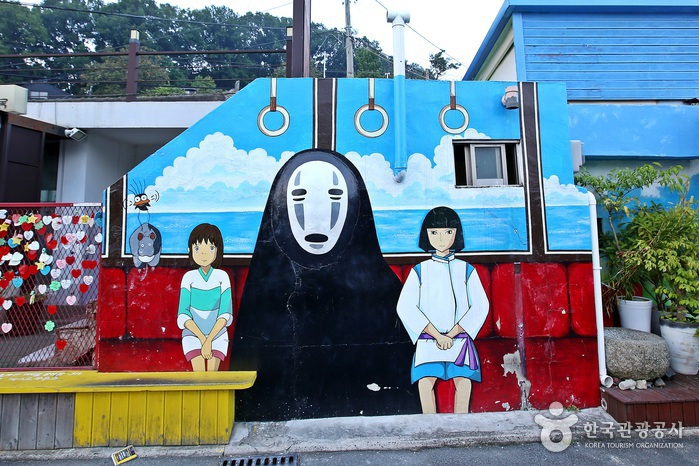
Le village des peintures murales de Jaman se trouve sur une colline paisible, séparée du village traditionnel de Hanok de Jeonju par une simple route. Niché au pied du mont Seungamsan, ce quartier était à l’origine un bidonville formé progressivement par des réfugiés de la guerre de Corée.
C’est en 2012, dans le cadre d’un projet de sentier vert, qu’il a commencé à se transformer : des fresques ont été peintes sur une quarantaine de maisons, donnant au lieu une toute nouvelle identité. Aujourd’hui, chaque ruelle dévoile une série de peintures aux styles variés — fleurs, contes, paysages — offrant aux visiteurs une promenade aussi visuelle que divertissante.
Au fil de la balade, on découvre le Geumpyo de Jaman-dong, une stèle marquant l’emplacement de la maison de Yi An-sa, ancêtre du roi Taejo, fondateur de la dynastie Joseon. En montant un peu, on accède également au jardin sur le toit, un belvédère apprécié pour sa vue dégagée sur la ville de Jeonju sous un ciel bleu éclatant.
Le quartier abrite aussi de charmants cafés, des maisons d’hôtes et quelques restaurants, ce qui en fait une halte idéale pour les voyageurs. La visite complète prend environ 30 minutes. Proche des sites historiques d’Omokdae et d’Imokdae, le village est souvent intégré à des circuits culturels appréciés.
⊙ Village des peintures murales de Jaman (자만벽화마을 – 외국어사이트용)
Consultez le guide détaillé sur Korea Trip Guide →
– Site
www.jeonjuhanoktown.com
(Korean only)
Le village des peintures murales de Jaman est un petit village situé en face du village hanok de Jeonju, sur la colline d’une montagne. On peut trouver des maisons alignées les unes aux autres sur les pentes du village, sur les murs on trouve des peintures de toutes les couleurs.
⊙ Jeonju Hyanggyo (école confucéenne) (전주향교)
Consultez le guide détaillé sur Korea Trip Guide →
– Site
www.jjhyanggyo.or.kr
– Tél
+82-63-288-4548
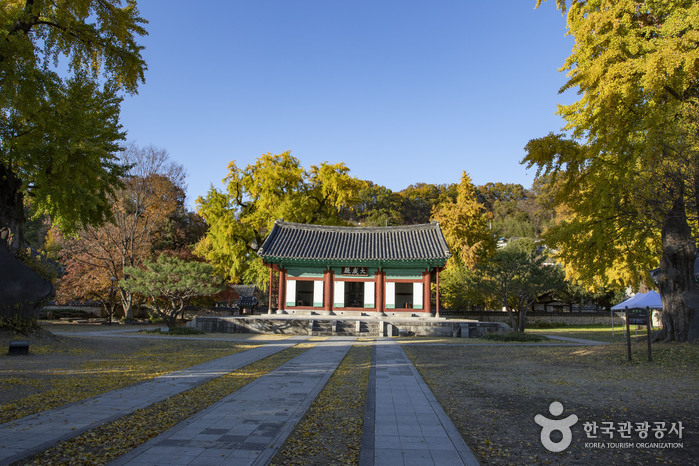
Fondée durant la dynastie Joseon (1392-1910), Jeonju Hyanggyo a été déclarée site historique n° 379. Signifiant « école provinciale », Hyanggyo était un établissement national d’éducation installé en province qui fournissait des enseignements confucianistes pendant la dernière dynastie coréenne. L’école confucéenne de Jeonju était située originairement aux alentours du lieu saint Geonggijeon, mais elle a été déplacée à son endroit actuel en 1603.
Elle abrite les plaques commémoratives de sept confucianistes chinois, y compris Confucius, et de dix-huit savants coréens dans le bâtiment principal appelé Daesungjeon. Composée de ce bâtiment et de seize autres, cette école figure parmi les plus grands établissements d’éducation de par sa taille.
⊙ Gyodonggaon / 교동가온
Consultez le guide détaillé sur Korea Trip Guide →
– Tél
+82-10-5106-3355
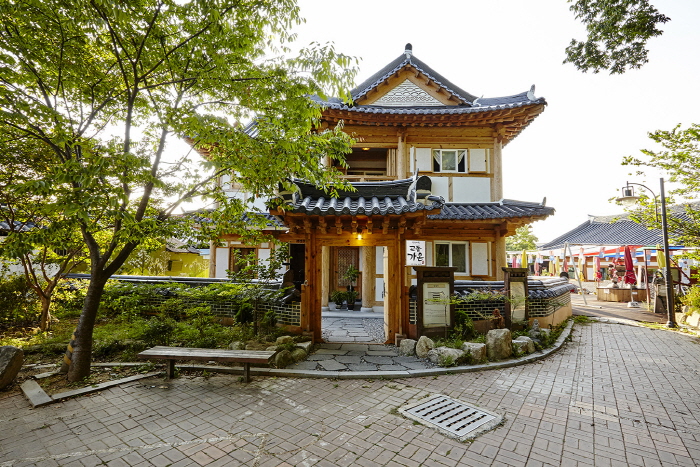
Gyodong Gaon is located right in the middle of the main street of Jeonju Hanok Village. The word « gaon » means « middle » in Korean. It’s a two-story traditional Korean house that stands out among the rest of the traditional Korean houses in the alley leading to Omokdae. Just inside the gate is a yard with colorful flower trees, jars of sauces, and furnace. The mural on one of the walls is popular among the guests as a place to take photos.
The « numaru », or « loft » in Korean, overlooks the Hanok Village, and is one of the best places in the village to get a closer look at the 500 year old zelkova tree and the foot of the mountain nearby. Open to all the guests, the « numaru » is very popular during the winter as well as the summer. It’s an open space with a wooden floor, so it’s very cool during the summer, and it also serves as an observatory to enjoy the view of all the snow-covered trees and roofs in the Hanok Village during the winter while having a hot cup of tea.
The owner of the guesthouse has been living here for 37 years. He rebuilt his house and turned it into a hanok guesthouse in 2014 while making sure the rooms are well insulated and comfortable to stay.
He built a two-story building to make an efficient use of the space, and focused on making all the rooms look different. The house has five rooms, and only the “Meomulda Room” on the first floor is the only rooms with a living room separated from the bedroom. All you have to do is open the door to enjoy the view of the yard, Hanok Village, and Omokdae. The “Nanuda Room” on the second floor is the largest one that can accommodate more than five people, making it the most popular choice among families. The « Damda Room » and « Kkumkkuda Room » both have an attic that can be reached by a ladder. The attic is big enough to sleep two adults, and some guests actually sleep there for a unique experience. One of the walls of the attic is finished with cypress wood which has a pleasant scent. The “Geurida Room” has the best view through the two windows on the either side of the room, in addition to warm sunlight and cool wind that come through the window. Modern, not traditional, doors are installed in all the rooms for better sound proofing and insulation.
Gyodong Gaon offers a number of experience programs, such as traditional games like “gulleongsoe”, “tuho », and “Korean top”, As well as “sabang chigi”, “sampalseon”, and “ttangttameokgi”.
Many Korean adults are familiar with these games, while children and foreigners can find these games interesting. All these traditional Korean games are free to play.
⊙ Bu Yong Heon / 부용헌
– Tél
+82-10-8646-0964
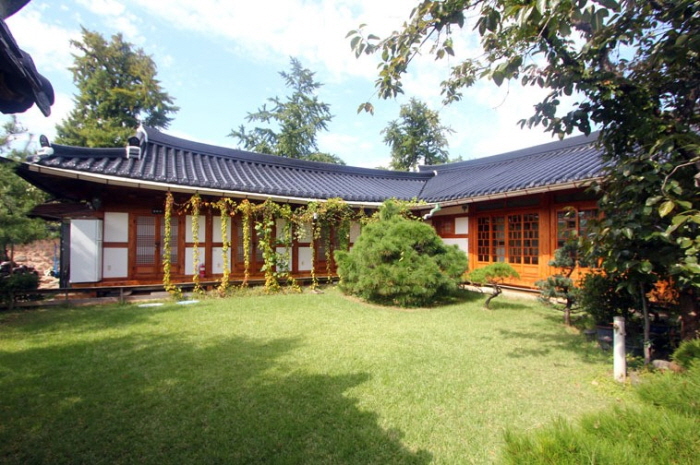
Buyongheon is located in Jeonju Hanok Village. Precisely speaking, Buyongheon is the very next door to Jeonju Hyanggyo (Confucian Temple and School). Across the alley are Jeonju Hyanggyo Culture Center and Wanpanbon Culture Center. If you walk a few more steps, you will reach Jeonju Hanbyeok Culture Center where you can see various performances and experience the culture and foods of Jeonju. Omokdae can be seen from the garden of Buyongheon. Across the Jeonjucheon Stream is the National Intangible Heritage Center.
The beginning of Buyongheon is deeply related with Jeonju Hyanggyo. In around 1935, the local bureaucrats lived around the Hyanggyo after building 12 houses one after another. Most of them came from rich families. These collective houses were called Buyong Houses, which meant rich houses. The name Buyongheon originated from Buyong Houses. The rooms of Buyongheon are composed of Toenmaru Bang, Daecheong Maru Bang, Large Daecheong Maru Bang and Big Sarangchae. The interior of the rooms looks neat with the beauty of blank space as they excluded unnecessary decorations. Carefully prepared breakfast is served upon request made in advance. Visitors can also experience traditional culture such as traditional etiquette education and Korean paper art.
In fall, the yellow leaves of the ginkgo tree in the garden of Jeonju Hyanggyo lights up the roof of Buyongheon. It is recommendable to walk along the Jeonjucheon Stream and take pictures of the colorful murals and the cafes in the Jaman Mural Village located on the left sie of the Hanok Village. It takes 15 minutes from Jeonju Station and 10 minutes from Jeonjuu Express Bus Terminal to Buyongheon by taxi.
⊙ Centre des trésor de Jeonju (전주 공예품전시관, 명품관)
Consultez le guide détaillé sur Korea Trip Guide →
– Site
omokdae.com (Korean only)
– Tél
+82-63-285-4404
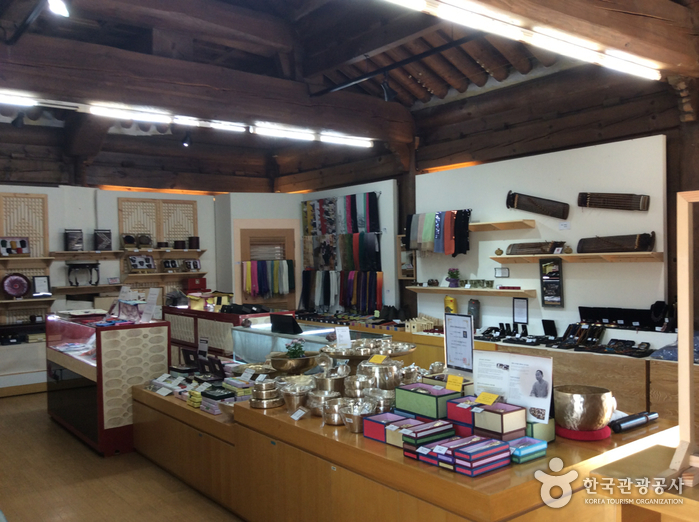
Pour les personnes recherchant de l’artisanat de haute qualité dans la région de Jeonju, le Centre des Trésors de Jeonju est l’endroit idéal pour faire des achats. Le Seonjacheong propose des éventails traditionnels, le Hanjigwan met en vente des produits fabriqués en papier coréen traditionnels, et l’Omokdae expose des objets en bois et d’autres produits. Il est très agréable de s’y promener et d’y admirer les produits, même si vous n’avez pas l’intention d’acheter.
⊙ Damun (다문)
Consultez le guide détaillé sur Korea Trip Guide →
– Tél
+82-63-288-8607
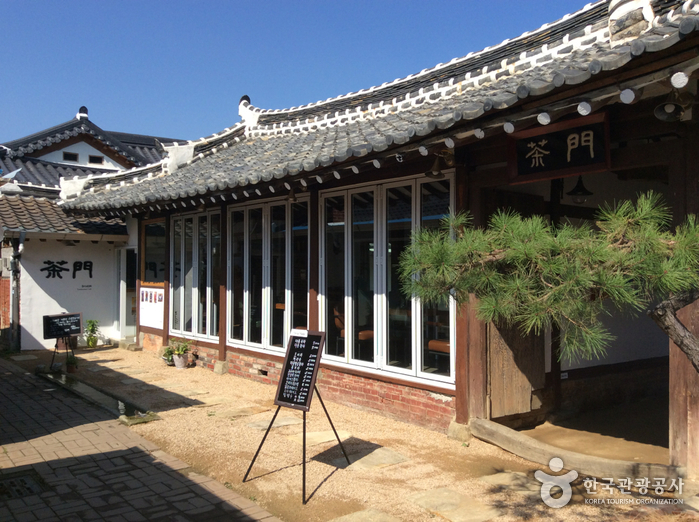
Situated in Jeonju Hanok Village, Gyo-dong, Jeonju-si, Damun serves Korean table d’hote in a restaurant divided into large and small rooms within a hanok building structure.
⊙ Yeohangga / 여행가
Consultez le guide détaillé sur Korea Trip Guide →
– Site
http://yeohangga.modoo.at
– Tél
+82-63-231-3040, +82-10-7742-6738
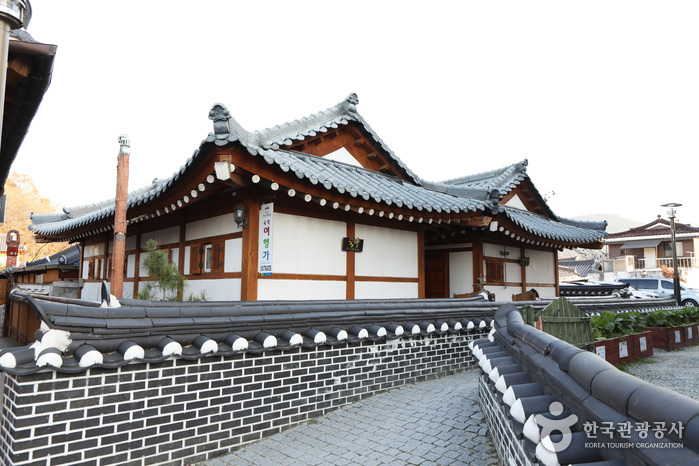
Yeohangga is a guesthouse owned and run by a woman who majored in early childhood education and who has been teaching children for over 20 years. The name means « A home for a happy trip, » she says. It’s a unique guesthouse since the owner offers various traditional educational games. The cozy and comfortable guesthouse is a traditional Korean house built in March 2013 at a site where an old house used to be. The main building and detached building are divided by the ridge of the roof with beautiful rafters. There is another meaning to the name of the guesthouse: « a house where the woman is happy. » She named it as such for a good reason. She used to live in Seoul when her parents advised her to move to Jeonju and run a guesthouse, leaving her husband and child behind. At first, she considered accepting only female guests, but it wasn’t an option since most of the people visiting Jeonju are couples and groups of friends. Instead, she made sure the guesthouse is safe for women while building the house. Many female tourists traveling alone find this a great feature of the guesthouse because they feel safer during their stay. For one, she installed three doors for the rooms (1 transparent door, 1 opaque glass door, and a traditional Korean door). Not only do the guests feel safer; the rooms are also well-insulated thanks to the triple doors. The floors and walls are covered with traditional Korean paper coated with soybean oil, which is very environment-friendly.
In the four rooms named “Spring,” “Summer,” “Autumn,” and “Winter,” there are many toys and materials for traditional Korean cognition games, such as “Chilgyo Game,” “Gonu Game,” and “Mabangjin.” It’s very likely that even Koreans have never heard of these games. The owner of the guesthouse chose these games specifically because they are perfect for children to play in a traditional Korean house. She teaches her little guests how to play the games. “Chilgyo Game” involves making a shape with 7 to 20 pieces, whereas “Gonu Game” is similar to the game of Chinese chess. « Mabangjin » is a type of IQ game that involves laying down a total of nine different numbers in three rows and columns so that the sum of the three numbers is identical when added horizontally, vertically, or diagonally. Many guests find these games interesting, and the owner of the guesthouse finds joy in teaching these games to as many families as possible. She recently took over another traditional Korean guesthouse called « Samrakheon » near the Jeonju Oriental Medicine Center. It’s a stand-alone guesthouse for groups and families, and she uses the place to teach traditional games to more people.